
1. Secure the home before bedtime
Create a short lockup routine for doors, windows, alarms, exterior lights, and appliances. Follow the same order so you do not lie awake wondering what you missed.
2. Keep emergency tools accessible
Place a charged phone, flashlight, glasses, and necessary medication where you can reach them. Keep exits clear.
3. Control light, temperature, and sound
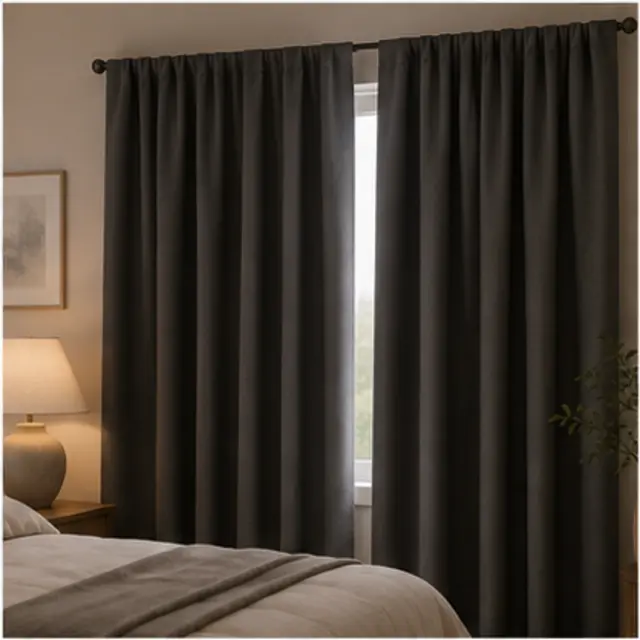
Use curtains or an eye mask, a comfortable cool temperature, and earplugs or steady background sound when appropriate.
4. Reduce stimulating input
Set a notification cutoff and move stressful work or scrolling away from the final part of the evening. Replace it with a repeatable low-effort routine.
5. Investigate persistent sleep problems
Ongoing insomnia, loud snoring, gasping, severe daytime sleepiness, or concerning symptoms deserve professional evaluation rather than endless gadget purchases.
Practical checklist
Useful sleep-support tools
- Blackout curtains or eye mask
- Comfortable bedding
- Warm, low evening light
- White-noise machine or fan when helpful
- Flashlight and charged phone
Bottom line
A consistent security check reduces uncertainty; a consistent wind-down reduces stimulation. Use simple tools, then seek qualified help when sleep remains persistently poor.
Useful products
A few practical options
Each Amazon button below is an affiliate link. Clicking it opens matching products on Amazon in a new tab. If you make a qualifying purchase, I may earn a commission at no additional cost to you.
 Illustrative image
Blackout curtains
Reduces unwanted light and supports a more consistent sleep environment.
View affiliate link on Amazon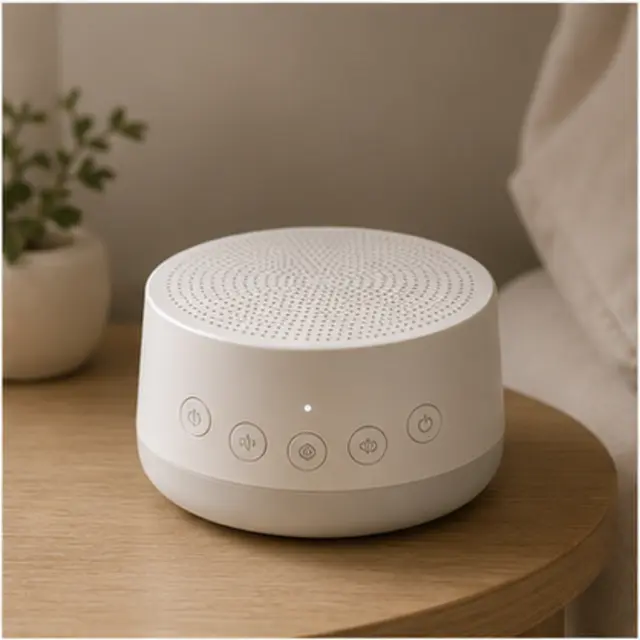 Illustrative image
White-noise machine
Masks inconsistent background sounds without relying on a phone all night.
View affiliate link on Amazon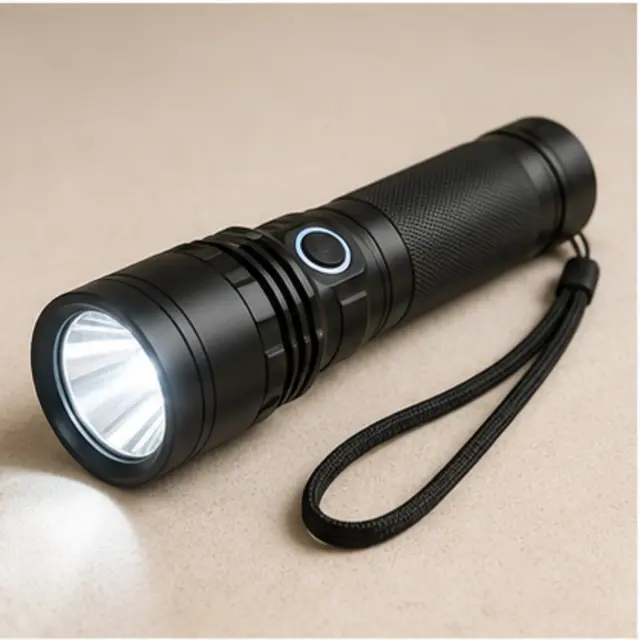 Illustrative image
Rechargeable bedside flashlight
Keeps dependable light within reach during an outage or emergency.
View affiliate link on AmazonAs an Amazon Associate I earn from qualifying purchases. Product visuals are original illustrative images and may not show the exact Amazon listing. Compare current details, compatibility, prices, and return terms before buying.