
1. Stabilize before you optimize
Handle the basics that create recurring stress: late bills, poor sleep, missing groceries, cluttered entryways, or neglected appointments. Stability creates the attention needed for larger goals.
2. Choose the highest-return change
Ask which small improvement would make several days easier. A Sunday grocery plan, automatic savings transfer, earlier bedtime, or organized home landing zone can affect an entire week.
3. Make the plan survive a bad day
Reduce each habit to a minimum version: a ten-minute walk, one prepared meal, five minutes of tidying, or a small savings transfer. The minimum keeps the system alive.
4. Review monthly, not constantly
Give changes enough time to work. Once a month, decide what helped, what created friction, and what deserves the next round of attention.
5. Keep pleasure in the plan
A good life is not only maintenance. Schedule dinners, trips, classes, creative projects, rest, and the people who make you feel more alive.
Practical checklist
Your monthly reset
- Review money and upcoming obligations
- Choose one home task
- Schedule health and personal appointments
- Plan one experience to anticipate
- Remove one commitment that no longer fits
Bottom line
Living well means creating a life that supports you now. Build stability, protect your energy, and make deliberate room for enjoyment.
Useful products
A few practical options
Each Amazon button below is an affiliate link. Clicking it opens matching products on Amazon in a new tab. If you make a qualifying purchase, I may earn a commission at no additional cost to you.
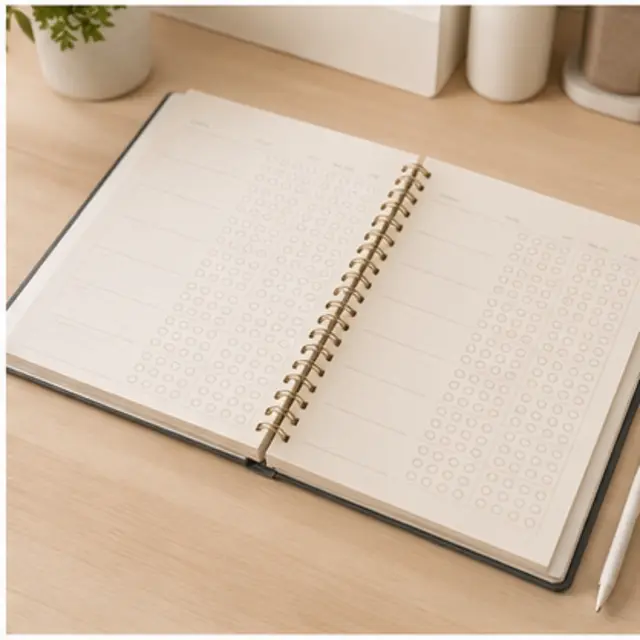 Illustrative image
Undated habit planner
Makes it easier to track a few useful routines without turning life into a spreadsheet.
View affiliate link on Amazon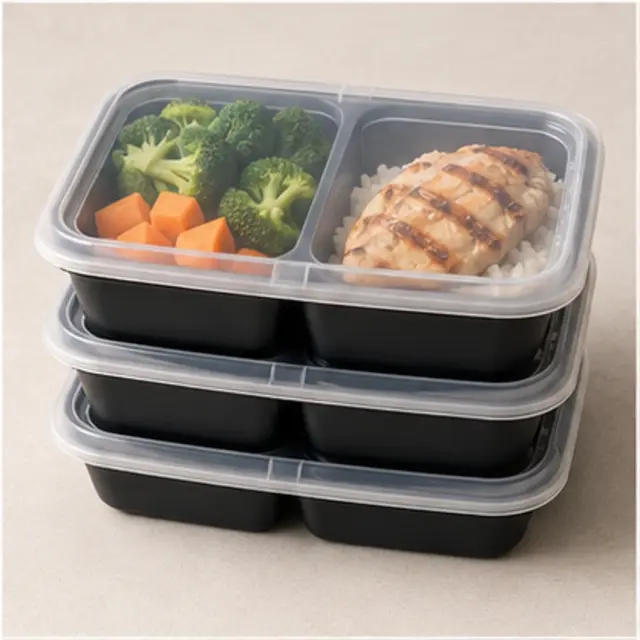 Illustrative image
Meal-prep container set
Supports realistic portions, planned leftovers, and quick lunches.
View affiliate link on AmazonAs an Amazon Associate I earn from qualifying purchases. Product visuals are original illustrative images and may not show the exact Amazon listing. Compare current details, compatibility, prices, and return terms before buying.