
1. Define the job first
Write down exactly what the item must do. A clear job prevents feature lists and advertising from turning a simple need into an expensive purchase.
2. Measure the full cost
Include accessories, subscriptions, replacement parts, storage, cleaning, and maintenance. A low purchase price can hide an expensive ownership experience.
3. Favor simple reliability
Choose products that are easy to use, repair, clean, and return. Complexity is only valuable when you will use the extra capability.
4. Match the product to one household
Large capacity and bulk packaging are not automatically better. Right-sized tools often save space, energy, food, and effort.
5. Wait when the value is unclear
Put nonessential items on a 72-hour list. If you still know exactly where it will live and how it will improve life, compare the strongest options.
Practical checklist
Our recommendation standard
- Solves a specific problem
- Fits a one-person household
- Offers durable value
- Has understandable maintenance and return terms
- Earns the space it occupies
Bottom line
Buy fewer things with better reasons. The right product removes friction repeatedly; the wrong one becomes another object to store, maintain, and eventually discard.
Useful products
A few practical options
Each Amazon button below is an affiliate link. Clicking it opens matching products on Amazon in a new tab. If you make a qualifying purchase, I may earn a commission at no additional cost to you.
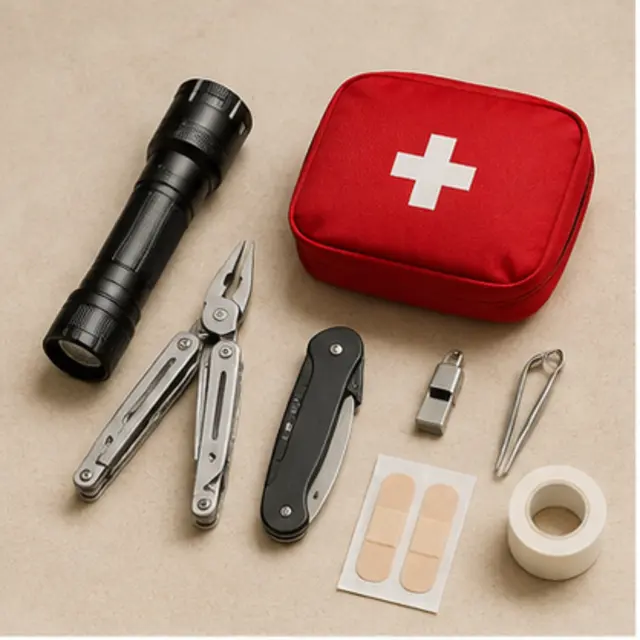 Illustrative image
Living-alone essentials
Compare practical safety, maintenance, and backup items for an independent household.
View affiliate link on Amazon Illustrative image
Right-sized kitchen tools
Look for compact tools that save effort without consuming unnecessary space.
View affiliate link on Amazon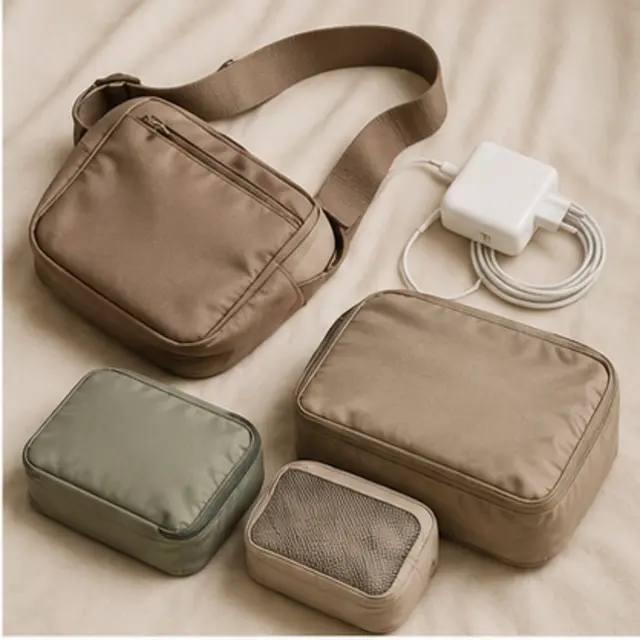 Illustrative image
Solo-travel essentials
Compare lightweight items that support mobility, charging, and organization.
View affiliate link on AmazonAs an Amazon Associate I earn from qualifying purchases. Product visuals are original illustrative images and may not show the exact Amazon listing. Compare current details, compatibility, prices, and return terms before buying.