
1. Start with doors, windows, and lighting
Use quality deadbolts where permitted, keep windows secured, trim hiding places, and make exterior approaches visible. Motion or dusk-to-dawn lighting can remove easy cover.
2. Add awareness at the main entry
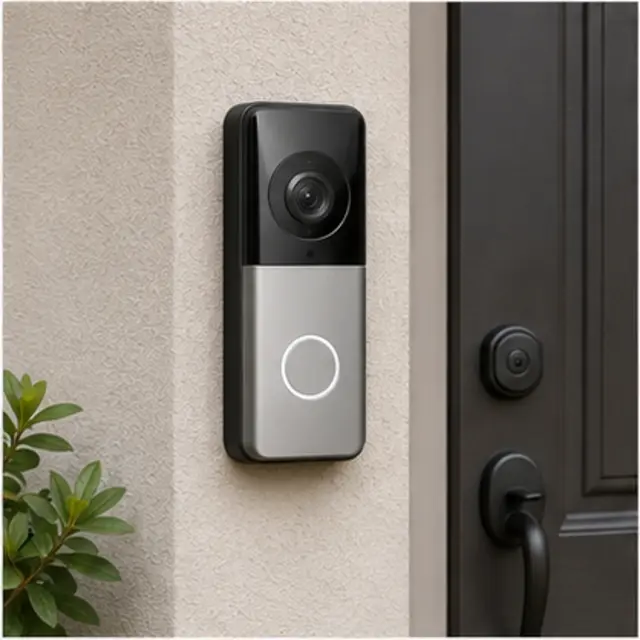
A video doorbell or well-positioned camera lets you see visitors without opening the door. Choose equipment with clear night images, dependable notifications, and a privacy policy you understand.
3. Use contact sensors selectively
Door and window sensors are valuable on likely entry points. A smaller reliable system you consistently arm is better than dozens of devices that create false alarms.
4. Plan communication and response
Keep your phone charged, enable emergency contacts, and know how to trigger alarms quickly. If monitoring is included, understand who calls whom and what happens during an alert.
5. Maintain the system
Test alarms, replace batteries, update device software, review camera views, and remove access for former residents or guests. Security equipment that is not maintained creates false confidence.
Practical checklist
Products worth considering
- Video doorbell or entry camera
- Motion or dusk-to-dawn exterior lighting
- Door and window contact sensors
- Loud personal alarm
- Backup power bank
- Monitored alarm when the cost and response fit your needs
Bottom line
Security improves when several simple layers work together. Strengthen entry points first, add dependable awareness, and practice the response plan before an emergency.
Useful products
A few practical options
Each Amazon button below is an affiliate link. Clicking it opens matching products on Amazon in a new tab. If you make a qualifying purchase, I may earn a commission at no additional cost to you.
 Illustrative image
Video doorbell
Lets you see and speak with visitors before opening the door; compare subscription terms carefully.
View affiliate link on Amazon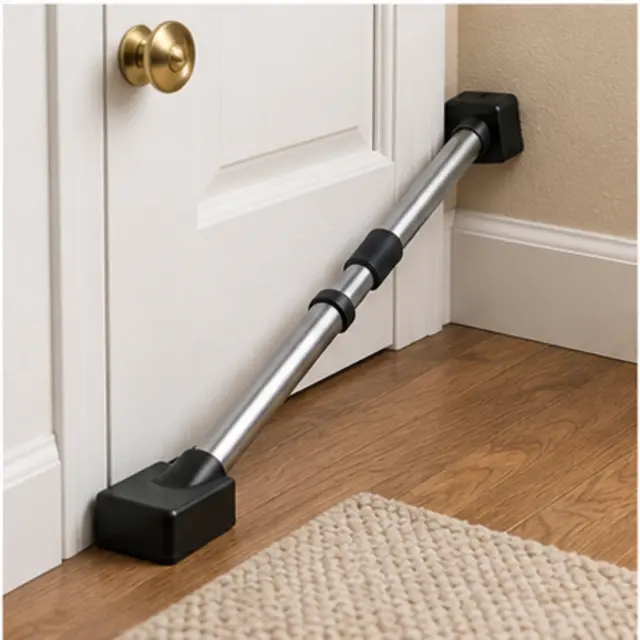 Illustrative image
Portable door-security bar
Adds a simple physical layer to many inward-opening doors at home or while traveling.
View affiliate link on Amazon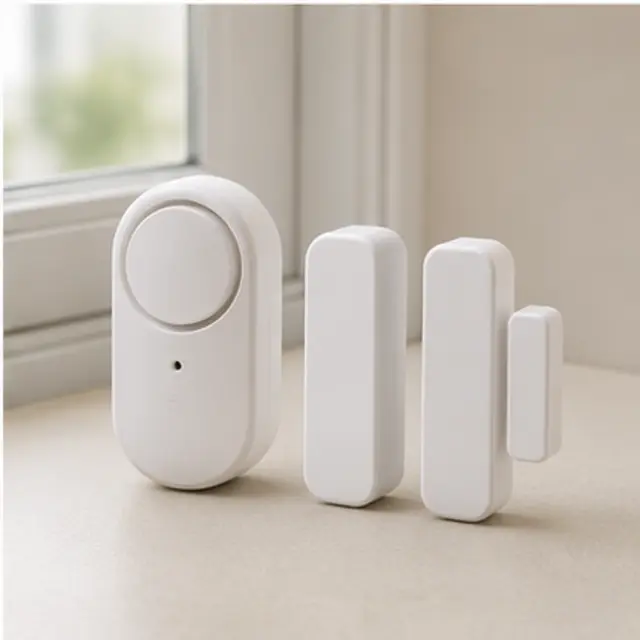 Illustrative image
Window and door alarms
Creates an audible alert when a protected entry point opens.
View affiliate link on AmazonAs an Amazon Associate I earn from qualifying purchases. Product visuals are original illustrative images and may not show the exact Amazon listing. Compare current details, compatibility, prices, and return terms before buying.