
1. Prepare for light and power loss
Keep a dependable flashlight, batteries, and charged phone power bank in known locations. Test them before storm season and long trips.
2. Handle small repairs
A compact tool kit should cover tightening hardware, hanging a picture, measuring a space, assembling furniture, and shutting off simple fixtures.
3. Protect against common emergencies
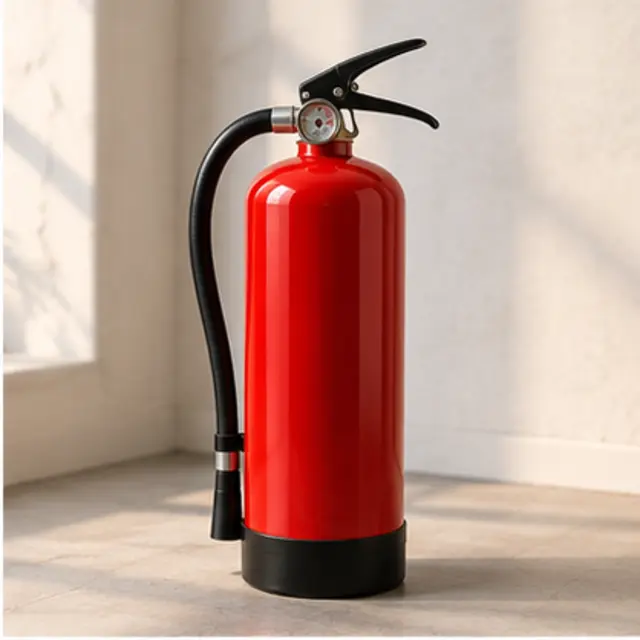
Working alarms, a suitable fire extinguisher, first-aid supplies, and knowledge of utility shutoffs matter more than decorative gadgets.
4. Build a small cleaning system
Choose a lightweight vacuum, multipurpose cleaner compatible with your surfaces, microfiber cloths, and a caddy that makes quick cleanup easy.
5. Store documents and spares deliberately
Keep warranties, insurance, emergency contacts, spare batteries, and replacement filters together so maintenance does not begin with a search.
Practical checklist
What earns a place
- Reliable and easy to operate
- Small enough for your space
- Useful more than once
- Simple to maintain
- Appropriate for the actual risk or task
Bottom line
Buy prevention and capability first. A few reliable essentials protect your home better than cabinets full of rarely used products.
Useful products
A few practical options
Each Amazon button below is an affiliate link. Clicking it opens matching products on Amazon in a new tab. If you make a qualifying purchase, I may earn a commission at no additional cost to you.
 Illustrative image
Multipurpose fire extinguisher
A basic safety item worth keeping visible and accessible.
View affiliate link on Amazon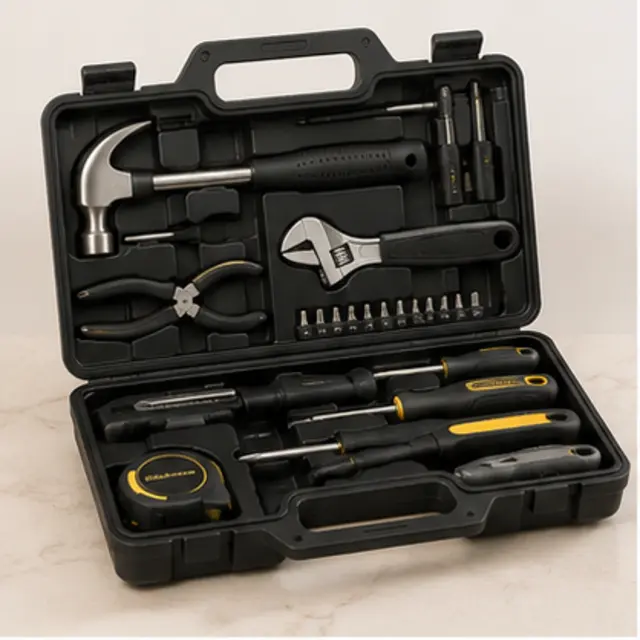 Illustrative image
Compact tool kit
Covers everyday measuring, tightening, hanging, and assembly tasks.
View affiliate link on Amazon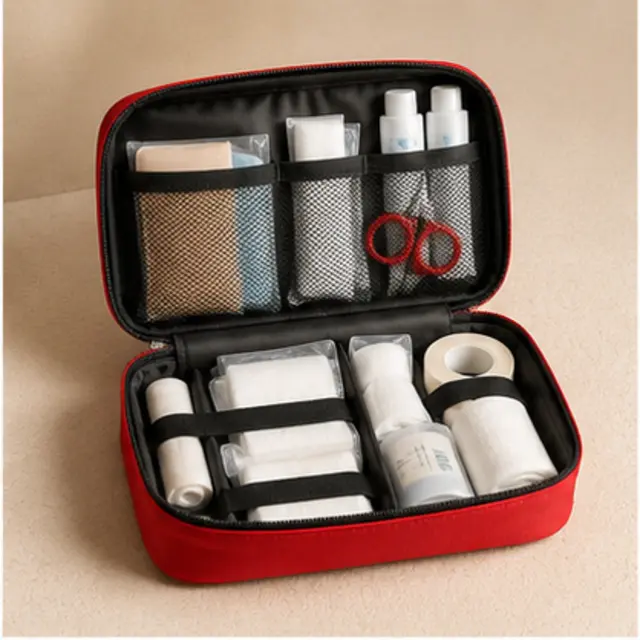 Illustrative image
First-aid kit
Keeps common supplies together rather than scattered across drawers.
View affiliate link on AmazonAs an Amazon Associate I earn from qualifying purchases. Product visuals are original illustrative images and may not show the exact Amazon listing. Compare current details, compatibility, prices, and return terms before buying.