
1. Remove before containing
Discard, donate, recycle, or relocate items that no longer belong in the space. Storage products cannot solve excess volume.
2. Organize around the point of use
Keep keys by the exit, cleaning supplies where cleaning happens, and backup toiletries near the bathroom. Convenience supports consistency.
3. Make important things visible
Use labels, clear bins, and eye-level placement for food, medicine, bills, and maintenance items that are easy to forget.
4. Limit categories
Give each category a fixed amount of space. When it is full, review the contents before buying a larger container.
5. Schedule small resets
A ten-minute evening reset and a monthly drawer or shelf review prevent the need for repeated weekend overhauls.
Practical checklist
Products that can help
- Simple labels
- Matching stackable bins
- Entry tray or hooks
- Document box
- One donation bag kept accessible
Bottom line
Organize to make the next action obvious. Fewer items, clear homes, and short resets do more than elaborate storage systems.
Useful products
A few practical options
Each Amazon button below is an affiliate link. Clicking it opens matching products on Amazon in a new tab. If you make a qualifying purchase, I may earn a commission at no additional cost to you.
 Illustrative image
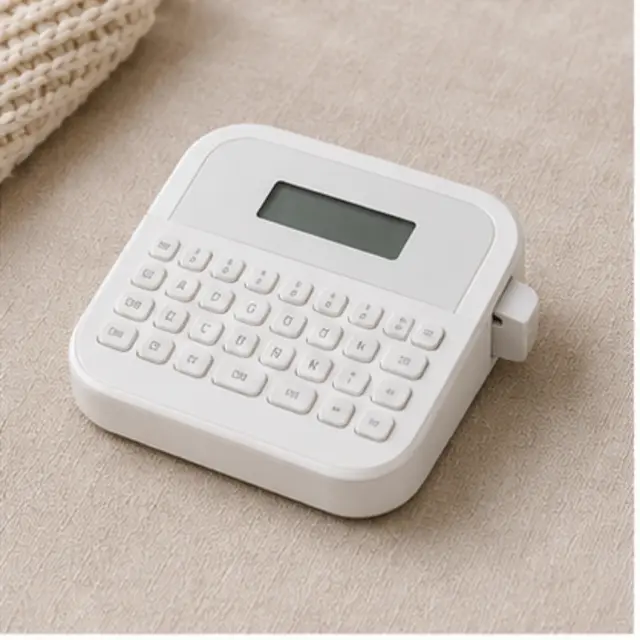
Label maker
Makes storage, food dates, cables, and document categories easier to identify.
View affiliate link on Amazon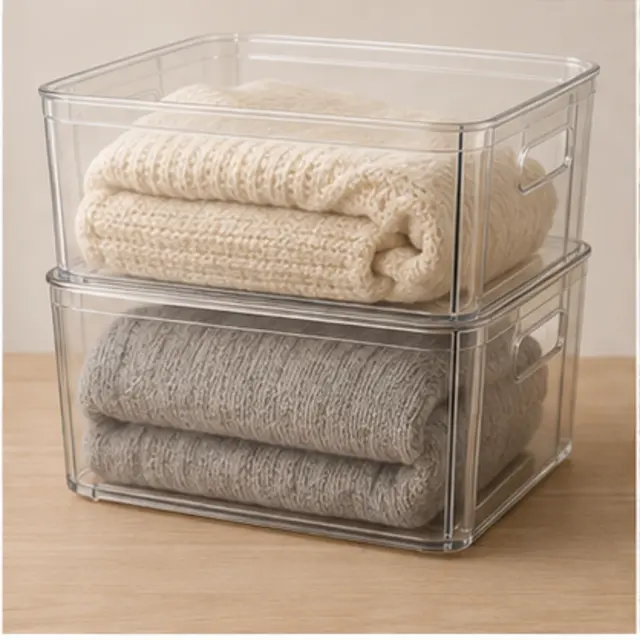 Illustrative image
Clear stackable bins
Keeps contents visible while giving each category a fixed amount of space.
View affiliate link on Amazon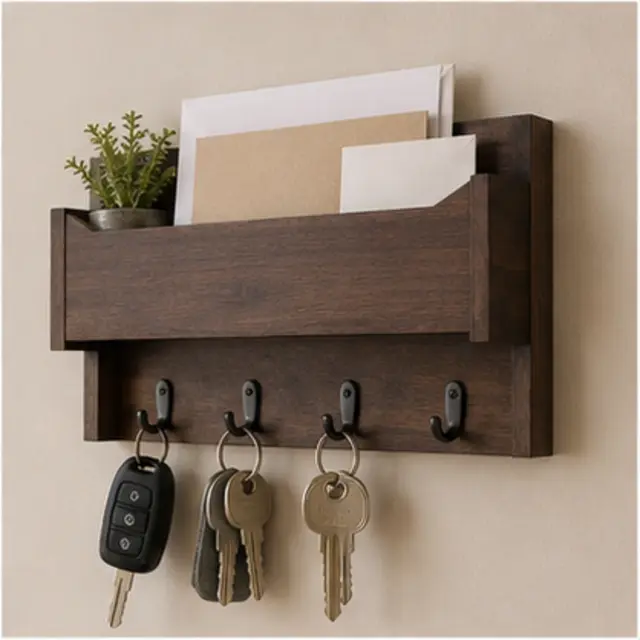 Illustrative image
Entryway key organizer
Creates one landing zone for keys, mail, bags, and daily essentials.
View affiliate link on AmazonAs an Amazon Associate I earn from qualifying purchases. Product visuals are original illustrative images and may not show the exact Amazon listing. Compare current details, compatibility, prices, and return terms before buying.