
1. Know your essential monthly number
Add housing, utilities, basic food, insurance, transportation, minimum debt payments, medicine, and essential care. This number is the foundation for your emergency fund and job decisions.
2. Separate bills, spending, and savings
Use distinct accounts or clear categories so money assigned to rent and insurance is not mixed with weekend spending. Automate transfers just after payday.
3. Build a starter buffer first
Before chasing every long-term goal, save enough to handle a common repair, deductible, or urgent trip without debt. Then work toward several months of essential expenses.
4. Audit quiet expenses
Review subscriptions, insurance renewals, delivery habits, banking fees, and recurring services every quarter. Small automatic charges become large because they escape fresh decisions.
5. Spend for value, not appearances
Pay more when durability, safety, or daily usefulness justifies it. Spend less on categories that do not matter to you. A personal budget should reflect your priorities, not someone else’s.
Practical checklist
A monthly money check-in
- Review account balances and upcoming bills
- Confirm automatic savings occurred
- Check credit-card statements for recurring charges
- Update one financial goal
- Handle one avoided piece of paperwork
Bottom line
Financial independence grows from visibility, margin, and consistent decisions. Know the cost of your life, protect it with savings, and spend where value is real.
Useful products
A few practical options
Each Amazon button below is an affiliate link. Clicking it opens matching products on Amazon in a new tab. If you make a qualifying purchase, I may earn a commission at no additional cost to you.
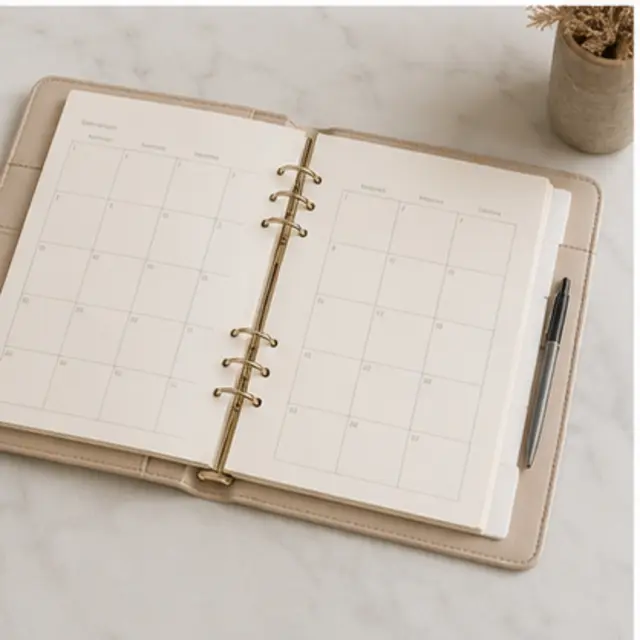 Illustrative image
Budget planner
A paper option for seeing bills, spending, savings, and upcoming obligations together.
View affiliate link on Amazon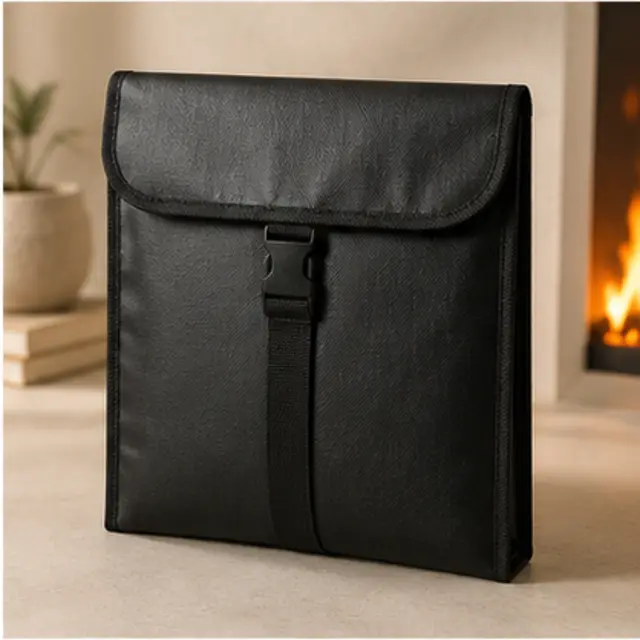 Illustrative image
Fire-resistant document bag
Keeps copies of essential financial and identity documents together.
View affiliate link on AmazonAs an Amazon Associate I earn from qualifying purchases. Product visuals are original illustrative images and may not show the exact Amazon listing. Compare current details, compatibility, prices, and return terms before buying.