
1. Calculate essential expenses
Add housing, utilities, basic groceries, insurance, transportation, medicine, minimum debt payments, and essential dependent or pet care. Exclude optional spending to find the amount required to keep life functioning.
2. Build a starter buffer
Save enough for a common repair, insurance deductible, urgent trip, or temporary income interruption. Even a smaller buffer can prevent a routine surprise from becoming credit-card debt.
3. Work toward one month
Once the starter fund exists, build one full month of essential costs. This creates breathing room when timing problems or a short work disruption occurs.
4. Decide whether three or six months fits
Lean toward more savings when income is variable, your field is unstable, you own a home, have dependents, manage health needs, or would need longer to replace employment.
5. Keep it accessible and separate
Use a separate, insured savings account that can be reached quickly without market risk. The fund is insurance, not a performance investment.
Practical checklist
A staged savings plan
- Stage 1: common emergency or deductible
- Stage 2: one month of essential expenses
- Stage 3: three months
- Stage 4: six months when risk justifies it
- Replenish after using the fund
Bottom line
Your target should reflect the actual cost and risk of your life. Start with a useful buffer, build one month, then expand toward three to six months.
Useful products
A few practical options
Each Amazon button below is an affiliate link. Clicking it opens matching products on Amazon in a new tab. If you make a qualifying purchase, I may earn a commission at no additional cost to you.
 Illustrative image
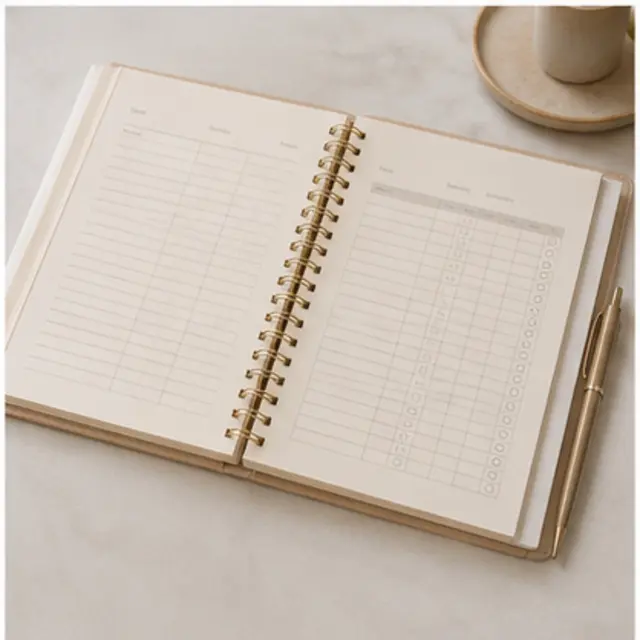
Budget and savings planner
A visible place to calculate essential expenses and track progress toward a cushion.
View affiliate link on Amazon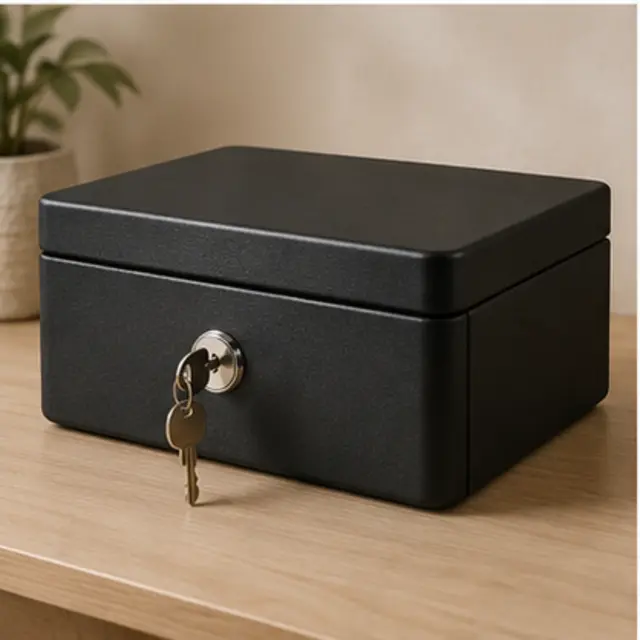 Illustrative image
Locking document box
Keeps important financial and identity records organized in one location.
View affiliate link on AmazonAs an Amazon Associate I earn from qualifying purchases. Product visuals are original illustrative images and may not show the exact Amazon listing. Compare current details, compatibility, prices, and return terms before buying.