
1. Plan ingredients, not seven separate dinners
Choose a protein, two vegetables, a versatile starch, and two flavor directions for the week. The same chicken, peppers, and rice can become a bowl, wrap, soup, or fried rice without feeling like identical leftovers.
2. Portion before storing
As soon as food cools, divide it into single servings. Keep the next meal in the refrigerator and freeze the rest. This makes portions visible and prevents an entire batch from becoming one forgotten container.
3. Use fresh and frozen food together
Buy fresh produce you know you will use quickly and frozen versions of everything else. Frozen vegetables, fruit, fish, and grains give you flexibility without a countdown clock.
4. Create an eat-first zone
Reserve one clear refrigerator bin or eye-level shelf for food that needs attention. Check it before planning dinner or making a shopping list.
5. Keep two emergency meals
Stock one no-cook meal and one freezer meal you genuinely like. A realistic backup protects your budget and keeps good groceries from being ignored when your plans change.
Practical checklist
Right-sized kitchen basics
- Small saucepan
- Sheet pan or compact air fryer
- Freezer-safe single-serving containers
- Sharp chef’s knife
- Masking tape and marker for dates
Bottom line
Good solo cooking is a system: buy realistic quantities, cook flexible components, freeze early, and keep an easy fallback.
Useful products
A few practical options
Each Amazon button below is an affiliate link. Clicking it opens matching products on Amazon in a new tab. If you make a qualifying purchase, I may earn a commission at no additional cost to you.
 Illustrative image
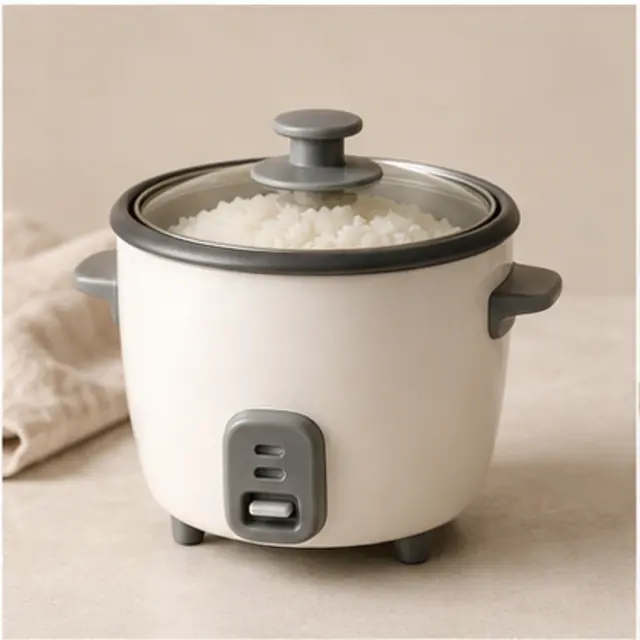
Small rice cooker
Makes right-sized grains without turning a simple dinner into a project.
View affiliate link on Amazon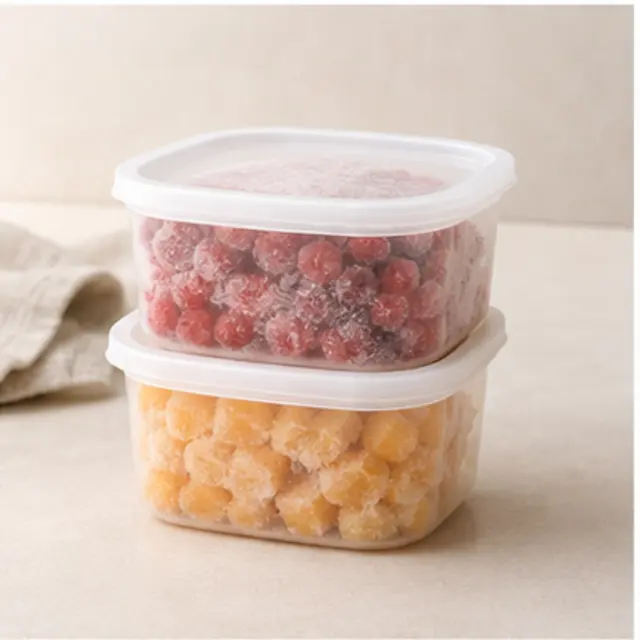 Illustrative image
Single-serving freezer containers
Helps portion leftovers before they become one forgotten oversized batch.
View affiliate link on Amazon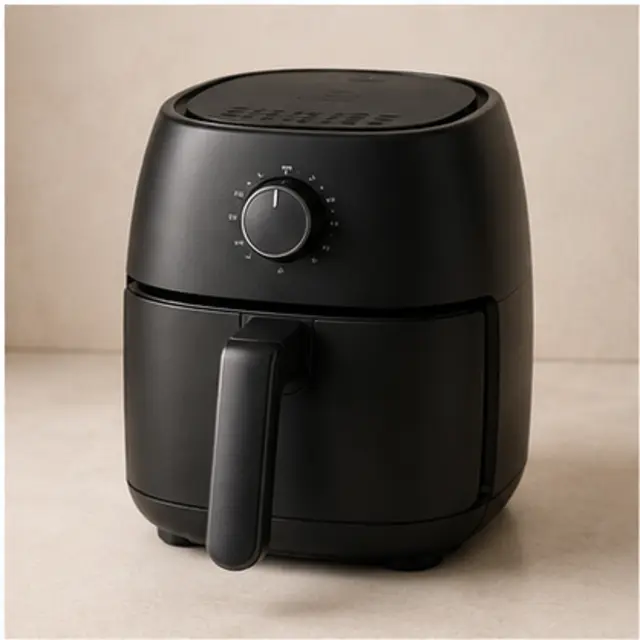 Illustrative image
Compact air fryer
Useful for crisp, quick portions without heating a full-size oven.
View affiliate link on AmazonAs an Amazon Associate I earn from qualifying purchases. Product visuals are original illustrative images and may not show the exact Amazon listing. Compare current details, compatibility, prices, and return terms before buying.