
1. Match equipment to the workout
List the exercises and resistance ranges you need before comparing products. This prevents a specialized machine from becoming an expensive clothes rack.
2. Check safety and stability
Review weight ratings, floor contact, locking mechanisms, adjustment points, and required clearance. Equipment should feel stable before the first hard set.
3. Prioritize progression
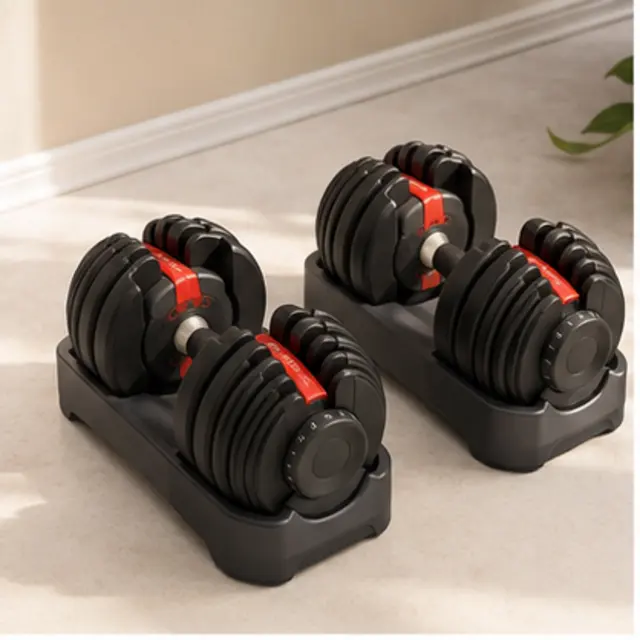
Choose resistance that can increase as you improve. Adjustable dumbbells, bands, and a sturdy bench cover more stages than a single light weight.
4. Respect storage and setup
If equipment is difficult to unfold, move, or store, you will use it less. Measure the training footprint and the storage footprint.
5. Buy comfort only where it supports consistency
Good grips, a stable bench pad, and appropriate shoes can improve training. Decorative screens and subscriptions may not.
Practical checklist
A high-value order of purchase
- Adjustable resistance
- Stable bench
- Bands
- Mat or floor protection
- Only then: specialized equipment for a proven need
Bottom line
Choose versatile, stable equipment that fits your room and your progression. Your log should tell you when more equipment is needed.
Useful products
A few practical options
Each Amazon button below is an affiliate link. Clicking it opens matching products on Amazon in a new tab. If you make a qualifying purchase, I may earn a commission at no additional cost to you.
 Illustrative image
 Illustrative image
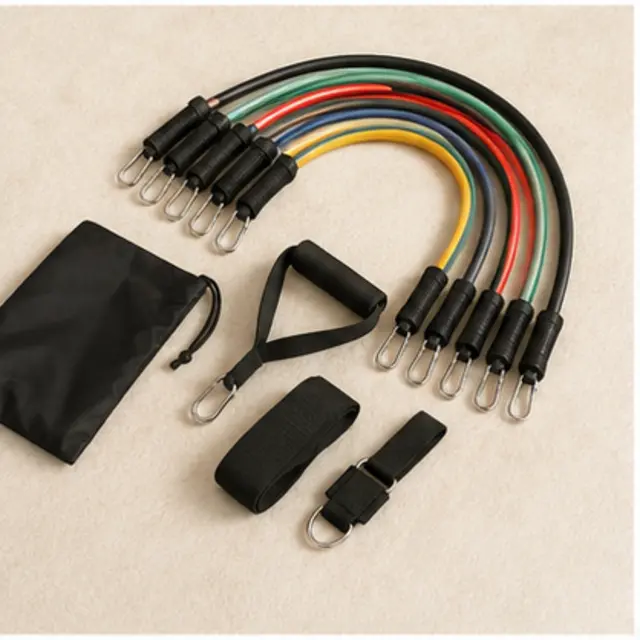
Resistance bands
Useful for strength work, assistance, warmups, and travel.
View affiliate link on Amazon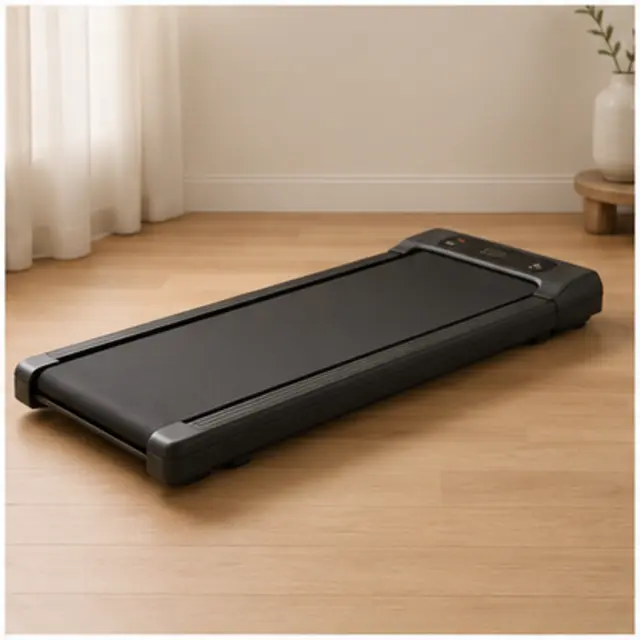 Illustrative image
Walking pad
Can add indoor walking when weather, darkness, or schedule gets in the way.
View affiliate link on AmazonAs an Amazon Associate I earn from qualifying purchases. Product visuals are original illustrative images and may not show the exact Amazon listing. Compare current details, compatibility, prices, and return terms before buying.